Peptide-Infused Skincare: The Science Behind the New Anti-Ageing Buzz
Skincare is booming at the moment, with many consumers creating complex multi-step skincare routines based on information gathered from social media. It can be difficult to know which skincare ingredients are going to make a considerable difference, and which ones are little more than marketing hype. There’s also the risk that ingredients could be damaging the skin barrier, leading to sensitive and irritated skin that takes a long time to return to normal.
The good news is that there are ingredients that pass the test. They are not only beneficial for the skin, but they are also widely tolerated by most skin types. One of these miracle skincare ingredients is peptides. In this guide, we’re looking at what peptides are and why you should consider adding them into your daily skincare routine.
What are peptides, and why are they in all your skincare products?
Peptides are short chains of amino acids, which are the building blocks for things like collagen, elastin and keratin. The theory behind adding them into skincare products is to infuse your skin with the foundational compounds needed to improve your skin.
Serums and skincare might encourage the skin to produce collagen, but as we get older, our capacity to produce this protein is diminished. By adding more amino acids into your skincare, you can make it easier for your body to produce what it needs to keep your skin looking youthful.
Peptides are also moisture magnets, so they can help to restore the skin barrier and keep skin hydrated, which can help with many of the signs of ageing that are linked to dehydration.
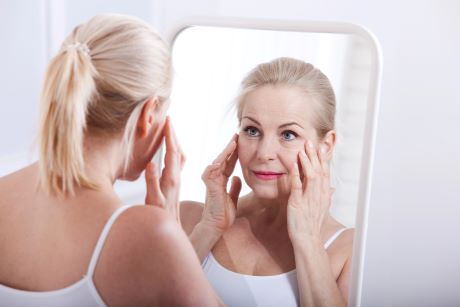
The anti-ageing benefits of peptides explained
As we get older, the body slows down its production of things like elastin and collagen. These are essential for keeping the skin firm and smooth, as they help to plump the skin while also keeping it firm.
As collagen and elastin production slows, the skin can become looser and might start to lose its plumpness and even texture. It can result in the crepey appearance characteristic of older skin. Without the volume of youth, fine lines can also start to appear. And expression lines can become fixed into deep set wrinkles.
Peptides can help to reverse some of this damage by stimulating the production of collagen and elastin again. Your body might need a little bit of encouragement to help boost production of these essential proteins.
As the levels are restored, skin can appear plumped up, smoother, more even and with an improved tone. In terms of skincare ingredients that actually get results, peptides are one ingredient that are actually worth the investment.
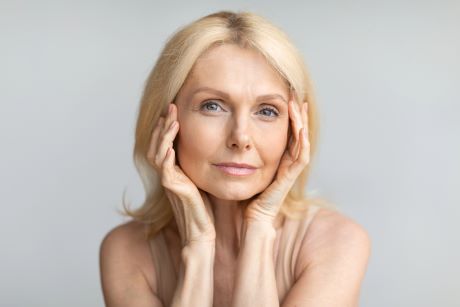
How peptides help your skin stay firm, smooth and youthful
As with all skincare ingredients, it’s not just about what products you use, but also about how you use them.
When looking for anti-ageing benefits, you might be directed towards AHAs (like glycolic acid) or retinoid treatment (which is referred to as retinol when purchased without a prescription). While these treatments can be effective, they can also be very harsh on skin – and not just those with sensitive skin.
In contrast, peptides are very well tolerated by most people, which could account for why they are popping up in skincare products to deliver anti-ageing benefits.
Peptides pair particularly well with vitamin C to help increase hydration while also addressing dullness of the complexion. The result is a nourishing treat that leaves skin plump and with a youthful glow.
Peptides vs. retinol: which anti-ageing ingredient reigns supreme?
It is possible to combine peptides with retinol treatment, but it’s important to think about timing. Retinol will increase your sensitivity to UV rays, so you’ll need to be mindful with your use of SPF.
Retinol can also irritate the skin if used in high concentrations, or too frequently. To prevent this, skincare cycling is suggested as a way to give your skin a rest between retinol exposure.
Peptides can be used every day to support hydration levels and boost collagen production. You can find peptides in serum form, or combined with a daily moisturiser to deliver regular nourishment at a cellular level.
If you’re not sure which skincare products are right for you – and if you’re worried you might be doing more harm than good – consult with an aesthetician to get personalised advice.